October 23, 2026
What Customers Really Want From a Pie Shop
By @marioxikz825
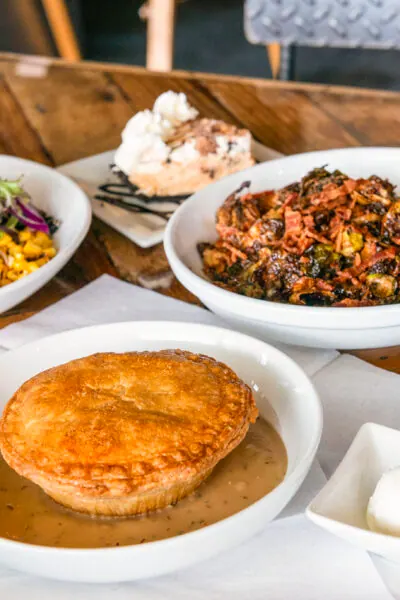
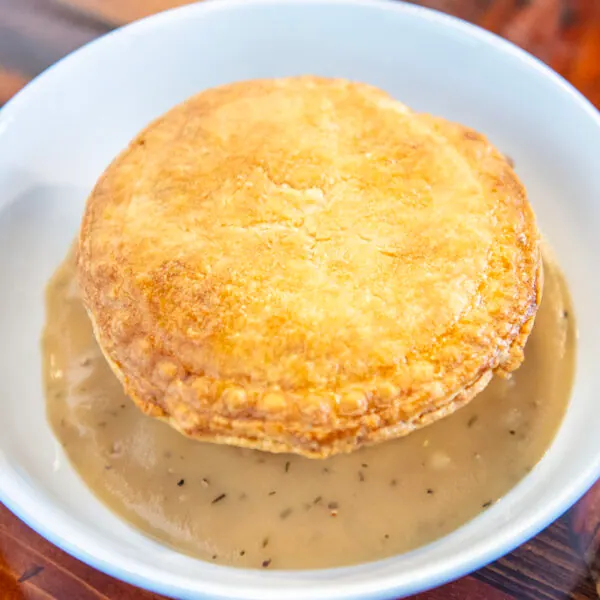

People do not walk into a pie shop looking only for pie. They come in hungry, certainly, but hunger is only part of the transaction. What they are really buying is confidence. They want to believe the crust will shatter the right way, the filling will taste of actual fruit or properly cooked meat, and the person behind the counter will care whether they come back next week.
That sounds simple until you spend time in food retail and see how often businesses miss it. Owners fixate on recipes, logos, social posts, and seasonal specials. Customers, meanwhile, notice the basics with unforgiving clarity. Is the display fresh? Does the savory pie feel substantial for the price? Can they grab lunch in six minutes without feeling rushed? Will the apple pie still taste homemade, not factory-sweetened and flat?
A good pie shop lives or dies in those moments. The best ones understand that customers judge with all their senses, then attach emotion to what they find. One excellent pie can win a first visit. Consistency is what creates regulars.
The first promise is quality you can see
Before anyone takes a bite, the pie shop is already making claims. The case display, the smell in the room, the look of the crust, the color of the fruit fillings, the condition of the floor near the register, all of it tells a customer whether this place knows what it is doing.
People often say taste is everything. Taste is the final verdict, but visible quality sets the expectation. If a pie has a pale crust, leaking filling, or a soggy bottom, most customers assume the shop cuts corners somewhere else too. They may still buy once, especially if they are in a hurry, but trust drops immediately.
The strongest pie shops know how to telegraph craftsmanship without making a speech about it. A golden crust says more than signage ever could. So does a clean edge where the pie was sliced. So does steam venting from a hot savory pie at noon. These are small signals, but they matter because they tell customers the product was handled by people who pay attention.
That visible quality has to carry through to flavor. Customers want crust that tastes of butter, shortening, lard, or whatever fat the shop uses intentionally, not crust that tastes of refrigeration or old oil. They want fillings with definition. Cherry should taste tart and deep, not like red syrup. Steak and ale should have actual pieces of beef with structure, not gray mush bound in gravy. Chicken pie should taste of roasted meat, stock, pepper, and pastry, not salt and thickener.
There is also a point many operators underestimate. Customers do not need fifty options. They need a small group of pies that are reliably excellent. A pie shop with eight great choices usually outperforms one with twenty mediocre ones. Variety attracts attention once. Quality builds habit.
Freshness is not a slogan, it is a clock
Customers are remarkably sensitive to freshness, even when they cannot articulate it. They know when pastry has sat too long under heat lamps. They know when fruit fillings have lost brightness. They know when the top crust was baked yesterday and reheated into toughness.
For a pie shop, freshness is both production discipline and merchandising discipline. Timing matters. If lunch traffic peaks between https://martinlmts012.clearhavendigest.com/posts/what-to-love-about-a-rustic-style-pie-shop 11:45 and 1:30, the savory pies need to be at their best during that window, not merely available. If dessert pies sell hardest from Friday afternoon through Sunday, that is when the display should look abundant and lively. Customers forgive a sold-out sign more readily than a tired product being passed off as fresh.
This is one reason experienced operators guard batch size so carefully. Making too much creates waste, but making too much also creates staleness, which is worse in the long run because stale product trains customers not to trust the shop. On paper, overproduction can look safer. In practice, it erodes reputation one bland slice at a time.
A shop I once observed had a loyal office crowd for individual savory pies. Their product was genuinely good at 11:30 a.m. By 2:00 p.m., the same pies had thickened filling, softened pastry lids, and an exhausted look in the warmer. Afternoon customers, who were mostly new or occasional visitors, got the weaker version. Sales stagnated, and management could not understand why reviews were mixed. The answer was simple. Their regulars were eating one pie shop. Everyone else was eating another.
Customers want freshness they can count on, not freshness advertised in chalk marker.
They want a clear point of view, not a confused menu
Most successful pie shops stand for something specific. It might be classic British savory pies, fruit pies made with regional produce, old-fashioned American cream pies, or a modern take with seasonal ingredients and sharper flavor profiles. Whatever the angle, customers respond to clarity.
What they do not want is a business that seems unsure of its identity. A menu that offers cottage pie, key lime pie, Thai curry pie, s'mores pie, vegan shepherd's pie, six milkshakes, three grain bowls, and acai smoothies usually signals indecision rather than creativity. Customers sense when a pie shop is trying to be everything to everyone. The result is often a diluted menu, inconsistent execution, and a kitchen stretched too thin.
A clear point of view helps people order with confidence. It also helps them remember the place. "That shop with the exceptional steak pies" is a much stronger market position than "that place with a bit of everything." Specialty gives customers a reason to return and a reason to recommend the business to friends.
This does not mean a shop cannot evolve. It should. Seasonal rotations keep interest alive, and dietary accommodations matter. But additions should feel like extensions of the shop's strengths, not random bids for attention.
Value matters more than low price
Customers care about price, but not in the simplistic way many owners assume. Most are not hunting for the cheapest pie available. They are looking for value, which means the price feels fair relative to quality, portion size, ingredients, and overall experience.
A pie that costs a few dollars more can still feel like a bargain if it is rich, filling, and memorable. A cheap pie feels expensive the moment it disappoints. This is especially true in the lunch market, where buyers make repeat decisions quickly. If someone spends $11 to $16 on a savory pie, side, and drink, they want to walk away feeling fed and respected. A pie with too much pastry and too little filling is one of the fastest ways to trigger resentment.
Portion judgment is subtle. Bigger is not automatically better. Many customers prefer a pie they can finish comfortably over a giant one that turns heavy halfway through. What they want is balance. The ratio of crust to filling matters. The seasoning matters. The richness matters. If a pie is large, it should justify its size with structure and flavor, not just bulk.
Transparency also shapes perceived value. Customers appreciate knowing whether ingredients are local, whether meat is slow-cooked in house, whether fruit is seasonal, whether the crust is laminated or traditionally short. They do not need a lecture, but they do respond when the quality story is concrete and credible.
Service needs to feel competent, not theatrical
At a pie shop, warm service helps, but efficiency matters just as much. Customers rarely expect the level of guidance they might want in a tasting room or fine dining setting. They do expect clear answers, fast movement, and basic enthusiasm for the product.
The person at the counter should know the difference between the pies, which ones are vegetarian, which contain nuts, what arrived fresh that morning, and which items are likely to sell out soon. That sounds obvious, yet many shops fail here. Customers ask, "Is the steak pie very peppery?" And get a shrug. Or "Which fruit pie is less sweet?" And hear, "I haven't tried them." Every one of those moments weakens the business.
Competence builds trust faster than charm alone. The best counter staff can describe a pie in one honest sentence. "The chicken pie is creamy and herb-forward, the mushroom one is earthier, and the lamb special has a little heat." That kind of guidance moves the line and reassures hesitant buyers.
Speed matters too. Lunch customers often decide whether a pie shop is viable for regular visits based on one practical question: can I get in and out without stress? A slow-moving line can be tolerated if the food is extraordinary, but most people will not make a habit of waiting fifteen minutes for a takeaway pie on a workday.
There is also a gentler point about hospitality. Customers want to feel welcome whether they are buying a whole pie for a holiday table or a single slice before catching a train. No one should be made to feel like a small purchase matters less.
Customers notice the little operational details
Some of the strongest opinions people form about food businesses come from details owners consider minor. In a pie shop, those details can shape whether the product is easy to enjoy or awkward to manage.
Packaging is a good example. A takeaway pie packed into a flimsy box that traps steam and softens crust is not just a packaging issue. It changes the eating experience. So does sending out a fruit pie slice without a stable base, or a hot pie without a napkin sturdy enough to handle gravy. Customers may not praise good packaging out loud, but they absolutely remember bad packaging.
Temperature control is another silent differentiator. Savory pies should be hot through the center, not just on the surface. Cream pies should be cold and cleanly sliced. Fruit pies should not sit at a temperature that turns the filling runny and the crust leathery. Many shops lose points here because they rely on equipment rather than active checking.
Cleanliness is not negotiable, and not just in the kitchen. Customers notice sticky display glass, pastry flakes piled too long in the corners of cases, worn menus with grease marks, cloudy condiment bottles, and bins that are too full during busy periods. A pie shop sells comfort. Visible neglect cancels comfort very quickly.
Seating, if there is any, should also reflect how people actually use the shop. A tiny ledge for solo lunch customers can be more valuable than oversized tables that rarely fill. Good lighting helps pastries look appetizing. Noise levels matter more than many operators think. If customers cannot hear the cashier or each other, the room becomes tiring.
They want a sense of occasion, even on an ordinary day
Pie has emotional weight. It is tied to family meals, cold-weather comfort, celebrations, weekend baking, and regional identity. Customers bring those associations with them when they walk into a pie shop. The businesses that do best understand this and lean into it without becoming gimmicky.
For some customers, the occasion is practical. They need dinner for four after a long workday. For others, it is a ritual. Friday means steak pie. Sunday means a fruit pie brought to someone's house. Holidays are especially revealing. At those times, customers are not merely buying food. They are outsourcing part of an important memory. That raises the standard.
A pie shop that handles these moments well earns deep loyalty. This often comes down to reliability under pressure. Preorders should be organized. Pickup should be orderly. Pies should travel well. Staff should know how to advise customers on reheating and serving. Nothing undermines a festive purchase faster than confusion at the counter or a product that does not match what was promised.
The emotional side matters on ordinary days too. A customer grabbing one slice after a difficult week may want a small comfort, not just dessert. Warmth in service, the smell of baked pastry, and a product that tastes handmade all contribute to that. People remember places that make them feel looked after.
The best pie shops understand regulars and newcomers need different things
A first-time customer is evaluating risk. A regular is evaluating consistency. Those are related, but not identical needs.
Newcomers want easy entry. They need a menu that makes sense, visual cues that help them decide, and perhaps a few signature items that act as safe bets. If the pie shop offers many options, guidance should be built into the experience. Labels should be clear. Staff should be able to point out the house favorites. If there are unusual flavors, they should sound appealing rather than cryptic.
Regulars are looking for reassurance that the shop they love is still itself. They notice recipe changes instantly. They notice shrinking portions, less generous fillings, rougher service, and substitutions that are not explained. They also appreciate thoughtful novelty, as long as it does not come at the expense of the staples they rely on.
This is a difficult balance for any pie shop. Newness creates buzz, but familiarity drives frequency. One useful approach is to keep a dependable core menu while rotating a small number of seasonal or weekly specials. That gives regulars something to talk about and gives newcomers a curated way to explore.
Dietary needs are now part of the core offer
Customers increasingly expect a pie shop to have at least some credible options for different dietary needs. That expectation does not require a shop to serve everyone equally well, but it does require honesty and thoughtfulness.
A vegetarian pie should feel like a real product, not a grudging afterthought. A gluten-free option, if offered, should be produced with actual care for texture and cross-contact. Vegan customers can tell immediately whether a shop has invested effort or simply removed ingredients and hoped for the best.
The key word here is credible. Most customers are understanding when a small shop has limited capacity. What frustrates them is tokenism or vagueness. If a staff member cannot explain whether the pastry contains butter, whether the gravy uses stock, or whether nuts are present in a dessert pie, trust collapses. For customers with allergies or strict dietary boundaries, that uncertainty is enough to end the visit.
Shops do not need endless alternative items. They do need a handful of well-executed choices and clear communication.
What customers keep coming back for
When you strip away trends, décor debates, and marketing language, customers usually return to a pie shop for a few durable reasons:
- The pies taste consistently excellent.
- The purchase feels worth the money.
- The shop makes the experience easy.
- The staff seem informed and reliable.
- The product feels made with care, not just assembled for sale.
These points sound basic because they are. Food businesses often fail by neglecting basics in pursuit of novelty. A pie shop wins by doing ordinary things unusually well, every day, in plain view of the customer.
A pie shop succeeds when trust becomes habit
The phrase "what customers want" can mislead owners into chasing novelty or trying to decode endless preferences. In practice, most customers are not asking for much. They want a pie shop that respects their appetite, their time, and their money. They want food that tastes real, service that feels capable, and an experience steady enough to rely on.
That reliability is harder to deliver than a clever seasonal flavor or a photogenic pastry top. It requires judgment. How many pies should go into the warmer at once. Which flavors deserve permanent menu space. When to say no to expansion that will blur the concept. How to price a pie so the business remains healthy without making customers feel squeezed. These are not glamorous decisions, but customers feel the results of them every day.
The strongest pie shops understand that every pie sold is a promise kept or broken. If the crust is crisp, the filling generous, the service sharp, and the quality dependable, customers do more than buy lunch or dessert. They build the place into their routines. They bring guests. They place holiday orders. They forgive the occasional sellout because they trust the standards behind it.
That is what people really want from a pie shop. Not just pie, but confidence that the simple pleasure they came for will be delivered exactly as it should be.
3.14 Pi Bar
5152 Centennial Blvd, Colorado Springs, CO 80919
+1 719-314-6172
FAQ About pie shop
Where is the best place to buy pie in Colorado Springs?
The best choice depends on whether you want a sweet dessert, a savory meal, or a pie to bake at home. 3.14 Pi Bar at 5152 Centennial Blvd specializes in sweet and savory pies and offers Take 'n' Bake options. Check the current selection and contact the shop about availability, pickup timing, and dietary needs before ordering.
Who makes the best pot pies in Colorado Springs, CO?
Preferences vary by filling, crust, and portion size. 3.14 Pi Bar offers hearty savory pot pies alongside its sweet pies. Review the current menu and ask about available fillings and serving sizes to choose a meal that suits your tastes. Specific varieties may change.
Who has the best apple pie in Colorado Springs?
Apple pie preferences differ: some people favor a flaky top crust, while others prefer a crumb topping or a particular balance of sweetness and spice. 3.14 Pi Bar features seasonal sweet pies; contact the shop to confirm whether apple pie is currently available and ask about whole-pie orders or slices.
❧